Before You Go to Mauritius: Entry, Cyclones, Rupees
UK, Canadian and EU visitors need no visa. Passport, travel form, cyclone season to 15 May, rupee rates and customs limit, checked 17 Nov 2026.
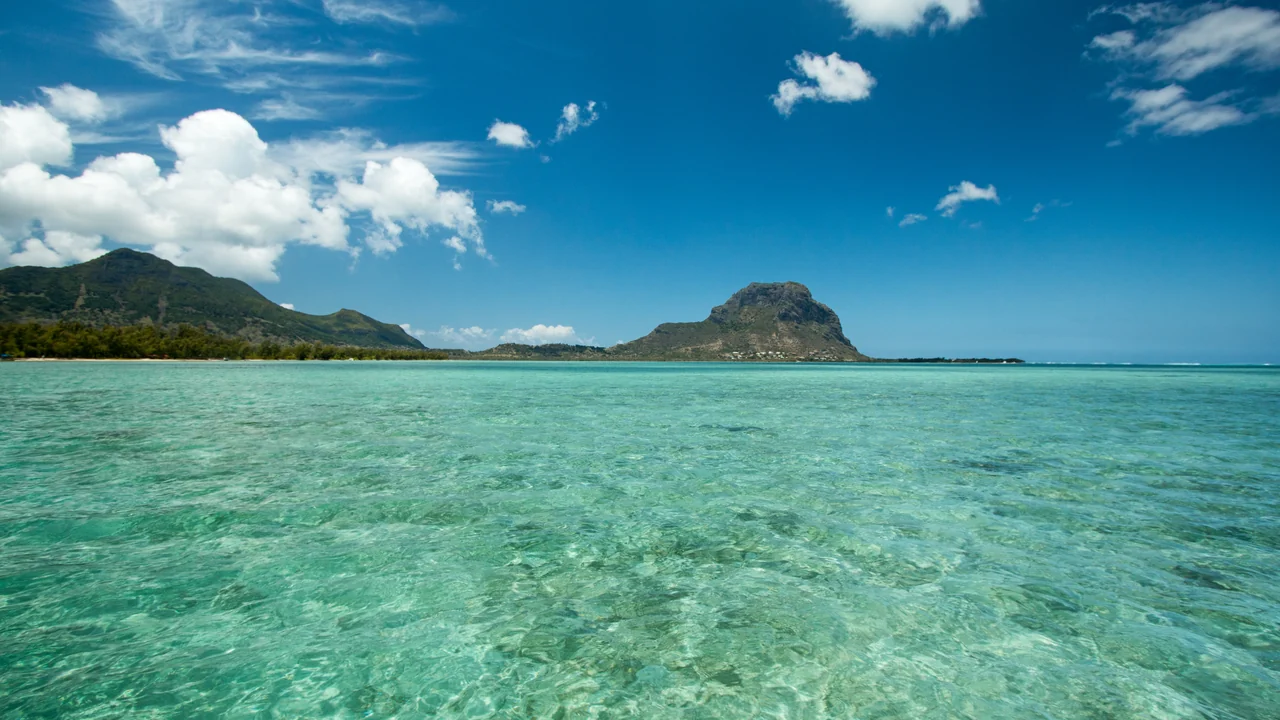
Visitors with UK, Canadian or EU passports don’t need a visa for a holiday in Mauritius, and UK and Canadian government advice gives up to 60 days. What does need sorting before you fly is the passport (the Immigration Office wants it valid beyond your stay, the airport and Canada say six months), the All-in-one Travel Form that every passenger fills in online, and the cyclone season, which runs from 1 November to 15 May.
Visa, passport and funds
British and Canadian passport holders can visit without a visa for up to 60 days, according to their own governments’ advice read on 17 November 2026. UK advice says a border official stamps the end date of your stay in the passport, and Canada’s travel advice adds that extensions are possible. The Passport and Immigration Office lists holders of EU passports among those exempt from a visa, and adds that the officer at the desk makes the final decision on admission and on how long you can stay. For US and Australian passports, the US State Department and Smartraveller pages for Mauritius are the ones to read before you book.
Entry, customs and health rules are set by the Mauritian authorities and can change at short notice. This guide is general information, not legal or medical advice: the Passport and Immigration Office, the Mauritius Revenue Authority and the Ministry of Health and Wellness decide, so check their current pages before booking and again before flying.
The Immigration Office’s travel requirements ask for a passport or recognised travel document valid beyond your intended stay, a return ticket, the right to re-enter your country of residence, enough funds, and either a confirmed hotel booking or sponsorship for accommodation, so if you’re staying with someone, their sponsorship for your accommodation takes the place of a hotel booking. The airport’s arrival tips and Canada’s advice are stricter than that office: a passport valid for six months beyond your stay, and the airport also names proof of funds of at least USD 100 a day. Travel with at least six months left on the passport. That satisfies every one of those pages, and an airline that applies the stricter rule at check-in can leave you on the ground whatever the Immigration Office says.
On 17 November 2026 the FCDO safety page still kept its note on the October 2026 unrest: protests followed a police shooting on the 9th, and evening curfews ran from the 12th to the 18th before being lifted at 4:30am on the 19th. Look at the page again in the week you fly.
The All-in-one Travel Form and its QR code
The airport’s arrival tips ask all passengers, children included, to fill in the Mauritius All-in-one Travel Form online before travelling and to show its QR code at arrival checks. The form lives at safemauritius.govmu.org, and you’ll want it done before you leave home rather than at the check-in desk. UK advice says to print the confirmation with its QR code. It also mentions a paper disembarkation card for travellers who arrive without the form, but the Health Ministry’s advisory below makes the form mandatory, so treat that card as a fallback at the desk, not a plan.
Each family member gets their own record, and you’ll need all of them at the border, so save every QR code as an image on a phone that works offline, and print one set.
Seasons, and why the coast changes them
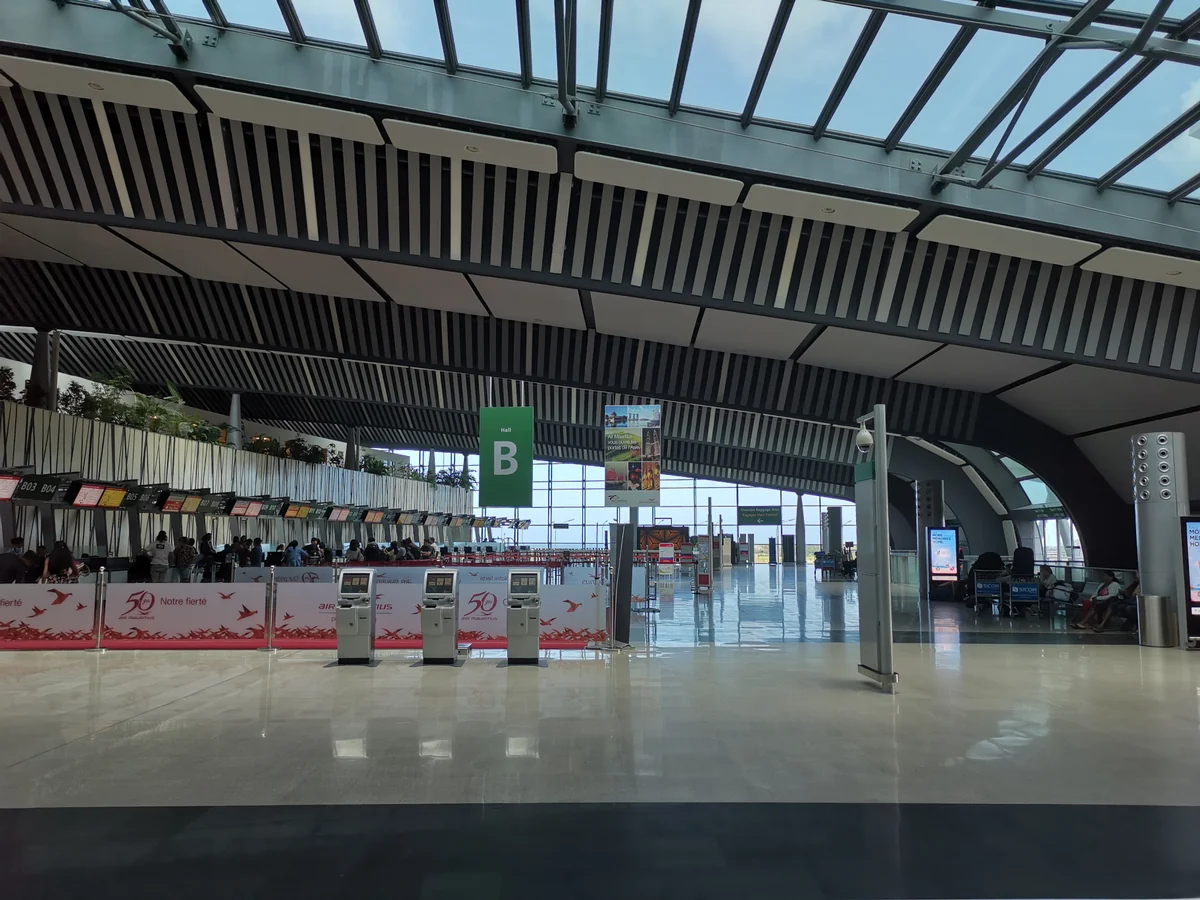
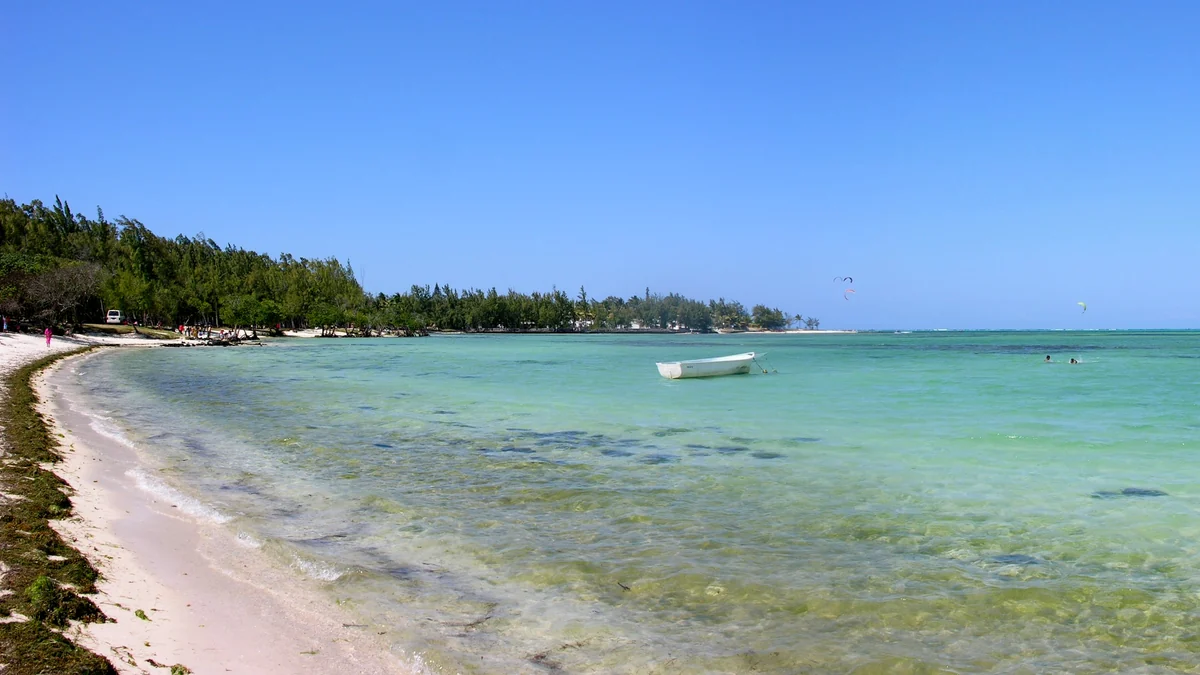
The Meteorological Services describe a warm, humid summer from November to April and a cooler, dry winter from June to September. The government’s climate profile adds that the east coast, exposed to the trade winds, tends to be cooler and windier than the sheltered, warmer west. It’s a simple rule: the month sets the temperature and the coast sets the wind. Choose the west for calm beach days in winter, and expect a breeze on the east in any month.
For a lively northern base, read the Grand Baie guide; for the choice between Flic en Flac and Tamarin on the sheltered side, the west-coast comparison covers it.
Cyclone season, 1 November to 15 May
The disaster-management centre gives the cyclone season as 1 November to 15 May (read on 17 November 2026), and the Meteorological Services say storms can form outside it. The Mauritius.com Grand Baie guide puts the peak risk at January to March, and its weather page names February and March as often the wettest months. For those weeks, a booking you can move is worth a small premium over a cheaper fixed one, and that’s the trade to price before you pay.
The official warning system is graded by class. At class III the centre’s advice is to avoid going outside; at class IV the Meteorological Services describe gusts of 120 km/h or more and tell you to stay indoors in the safest part of the building. They add that the calm of the eye is followed by violent winds from the opposite direction, and that you should stay put until the authorities give the all-clear signals. The Meteorological Services’ cyclone precautions are worth reading before you travel. What a travel policy pays when a cyclone hits is a separate question, answered in the travel insurance guide.
Rupees, exchange rates and the Rs 500,000 customs line
The currency is the Mauritian rupee. The Bank of Mauritius publishes indicative rates from local banks and forex dealers, with separate columns for banknotes and electronic transfers. Its consolidated table for 16 November 2026 read:
| Currency | Banks buy notes (Rs) | Banks sell (Rs) |
|---|---|---|
| £1 | 61.91 | 64.09 |
| US$1 | 46.94 | 48.53 |
| €1 | 51.63 | 53.45 |
Bank of Mauritius consolidated indicative rates, 16 November 2026. They are indicative; your counter sets its own.
The gap between buying and selling is the cost of changing money twice: on pounds it’s about Rs 2.18, or 3.4% of the selling rate, so bring only what you’ll spend in cash. Card payment isn’t free either: the official airport taxi list adds 10% for paying by card (see getting around Mauritius), and a Trou aux Biches dive centre adds 3% (diving prices).
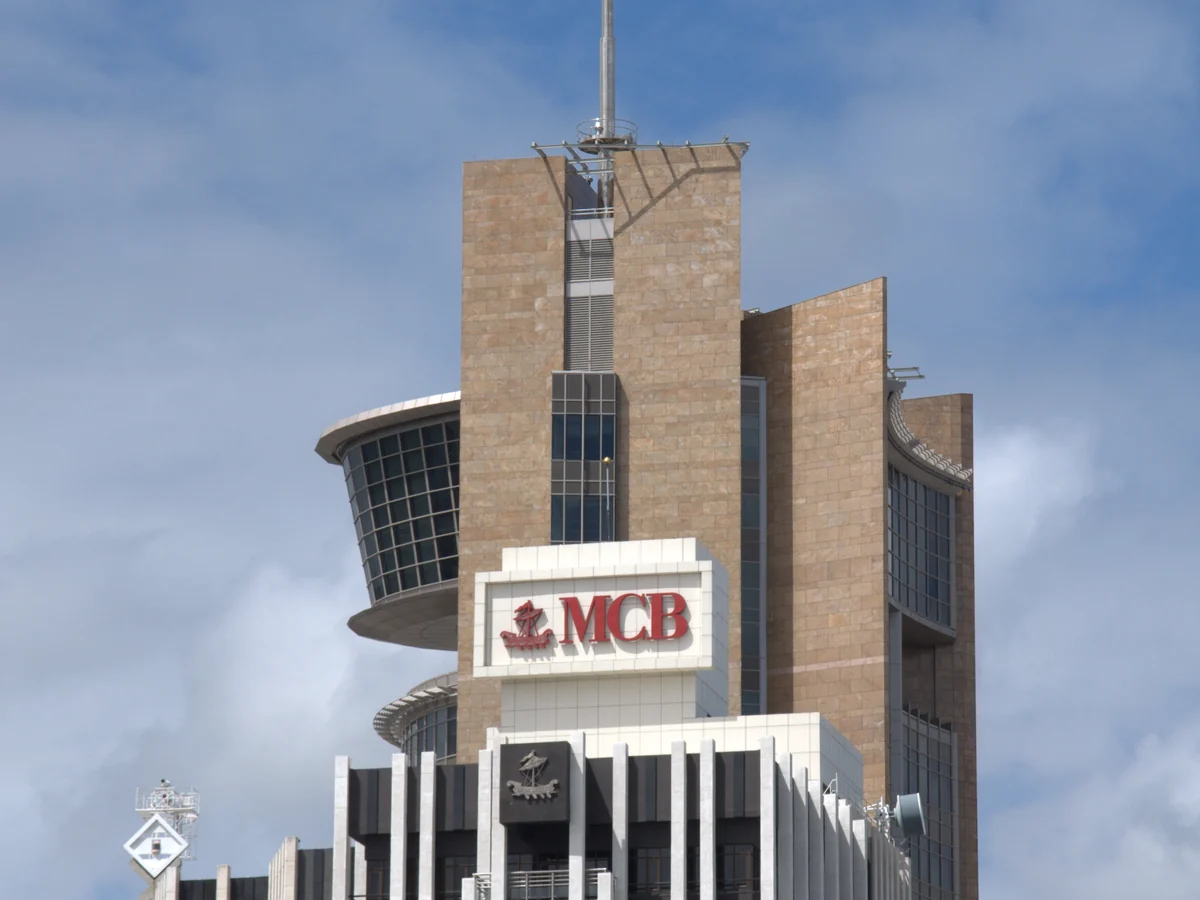
At the border, MRA’s on-arrival guidance requires you to declare currency, negotiable instruments and valuables exceeding Rs 500,000, which at the rates above is roughly £7,800 to £8,100. If you’re unsure which channel applies, the MRA’s instruction is to use the red channel.
Yellow fever, a temporary entry ban and medicines
Government health advice requires a yellow fever vaccination certificate from travellers over one year old who arrive from infected areas, so a stopover in one can matter more than your home country.
A Ministry of Health and Wellness travel advisory dated 7 September 2026 temporarily bars foreign nationals who have been in, or transited through, the Democratic Republic of the Congo or South Sudan within the previous 21 days, and UK travel advice still carried that restriction when checked on 17 November 2026. The same advisory makes the All-in-One Travel Form and its health declaration mandatory.
If you take prescribed medicine, UK health advice says you can bring common medicines for your own use with a copy of the prescription, while tranquillisers, hypnotics, narcotics and other strong painkillers need prior authorisation from the Ministry of Health and Wellness.
Travel insurance
The Mauritius travel insurance guide reads one policy, SafetyWing Essential, on scuba diving, a cyclone evacuation and a medical flight to Réunion or South Africa.
Airport to hotel
The airport taxi counter, the official fares and the bus from the car park are in getting around Mauritius; for a hire car, car hire in Mauritius covers the licence and the handover.
Read also

Things to do · 8 min read
Best Beaches in Mauritius: Which Coast for Which Beach Day
Verified · 17 November 2026Eight beaches compared by official sea frontage and airport taxi fare, and which coast to pick when the June to September trade winds blow.

What to see · 7 min read
Black River Gorges: Which Walk, and Where It Ends
Verified · 17 November 2026Black River Gorges walks: the 14 km Machabée loop back to Pétrin, the strenuous 10 km trail to Lower Gorges and the easy 6 km Savanne return.

Car hire · 7 min read
Car Hire in Mauritius: Licence, Excess, Driving on the Left
Verified · 17 November 2026Car hire in Mauritius: daily prices from €24, excess of €400 to €1,000, licence rules for UK and Canadian drivers, and what driving on the left involves.

Transport · 8 min read
Getting Around Mauritius: Airport Taxis, Buses, Metro
Verified · 17 November 2026Airport taxi fares by coast (Rs 1,000 to 3,500, 2026 list), buses 09, 10 and 198 from the car park, and Metro Express from Port Louis to Curepipe.