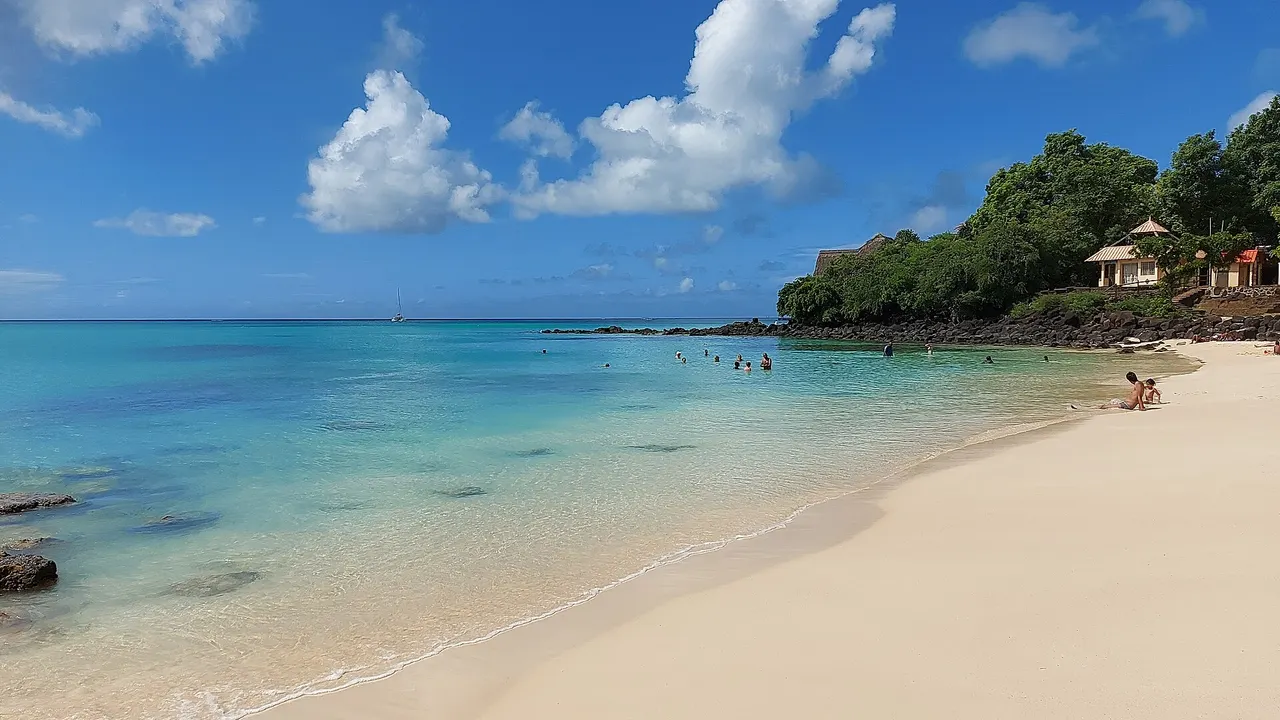
Grand Baie, which Mauritius.com calls the island’s “most lively lagoon”, is a holiday base in the north of Mauritius built around restaurants, boats and evenings out within a few minutes’ walk. From the airport it’s 73 km and the official taxi fare is Rs 3,500, and the bay you pick decides both that fare and what your evenings look like.
Is Grand Baie the right base?
Pick it for the nights. Mauritius.com describes the north as “beaches, nightlife and lively coastal resorts around Grand Baie”, and its own Grand Baie guide mentions late-night bars and restaurants within walking distance. A quieter bay (below) or the west coast suits long beaches and early nights better.
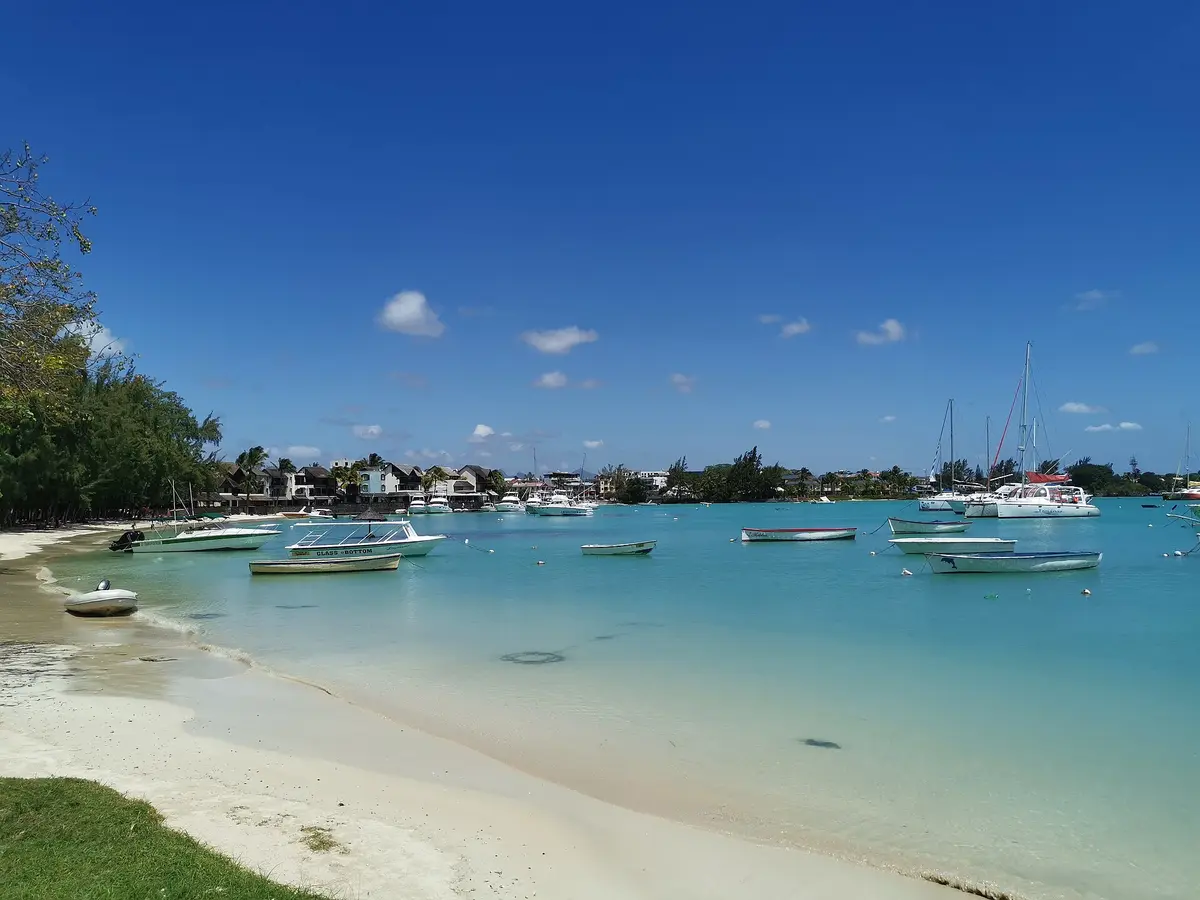
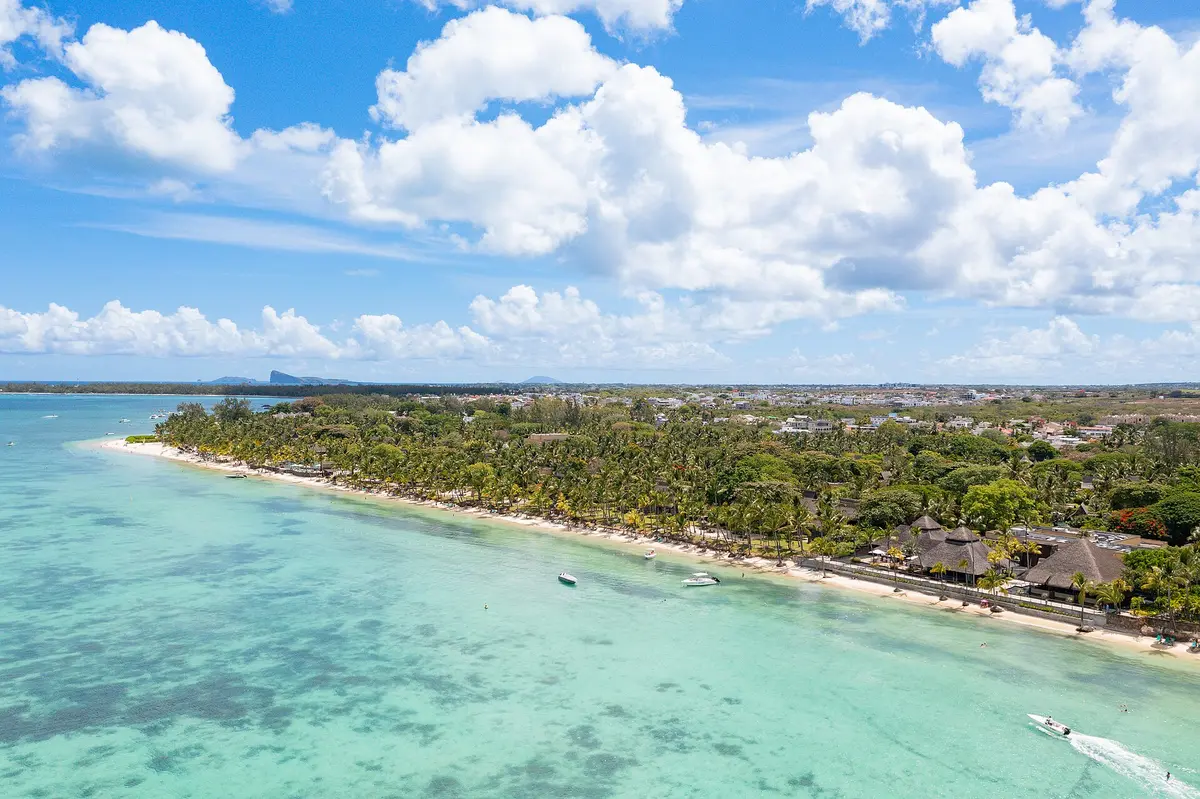
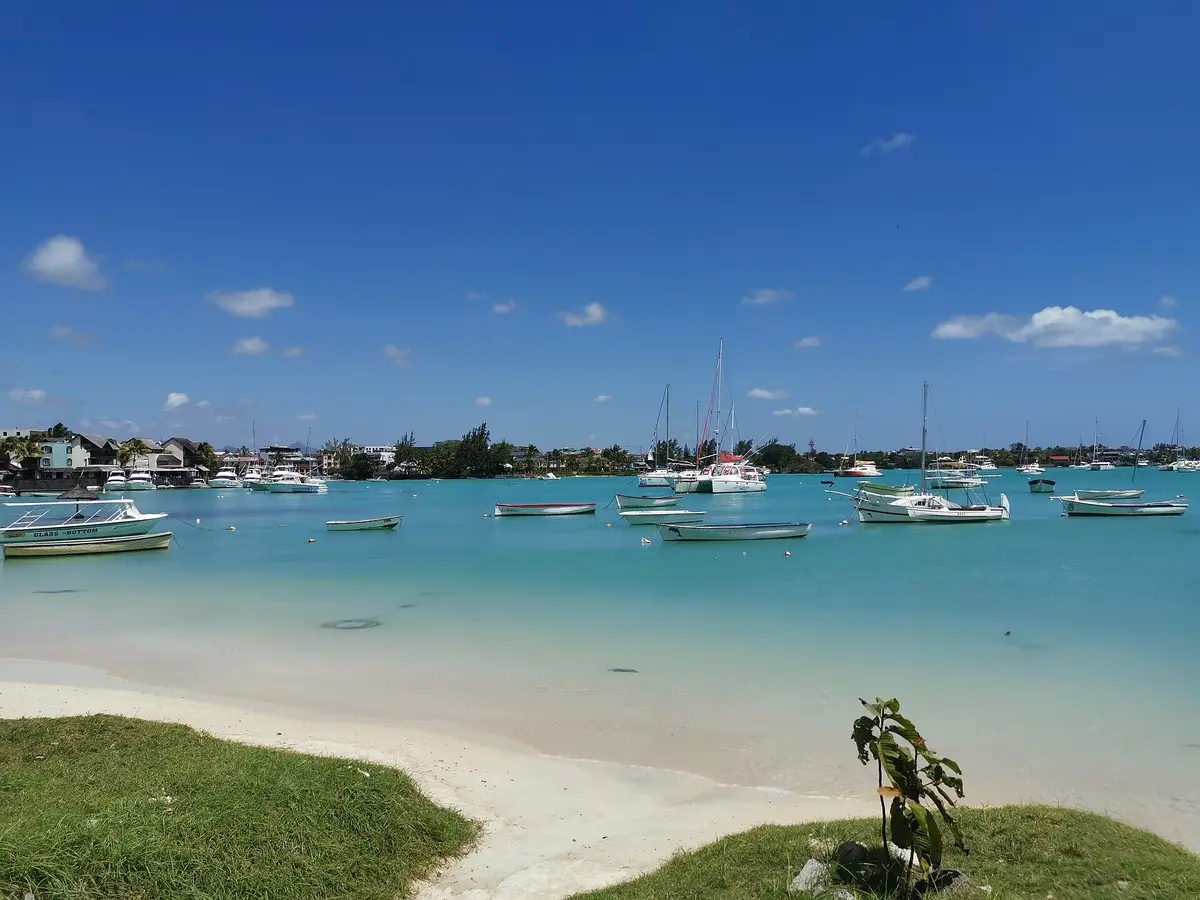
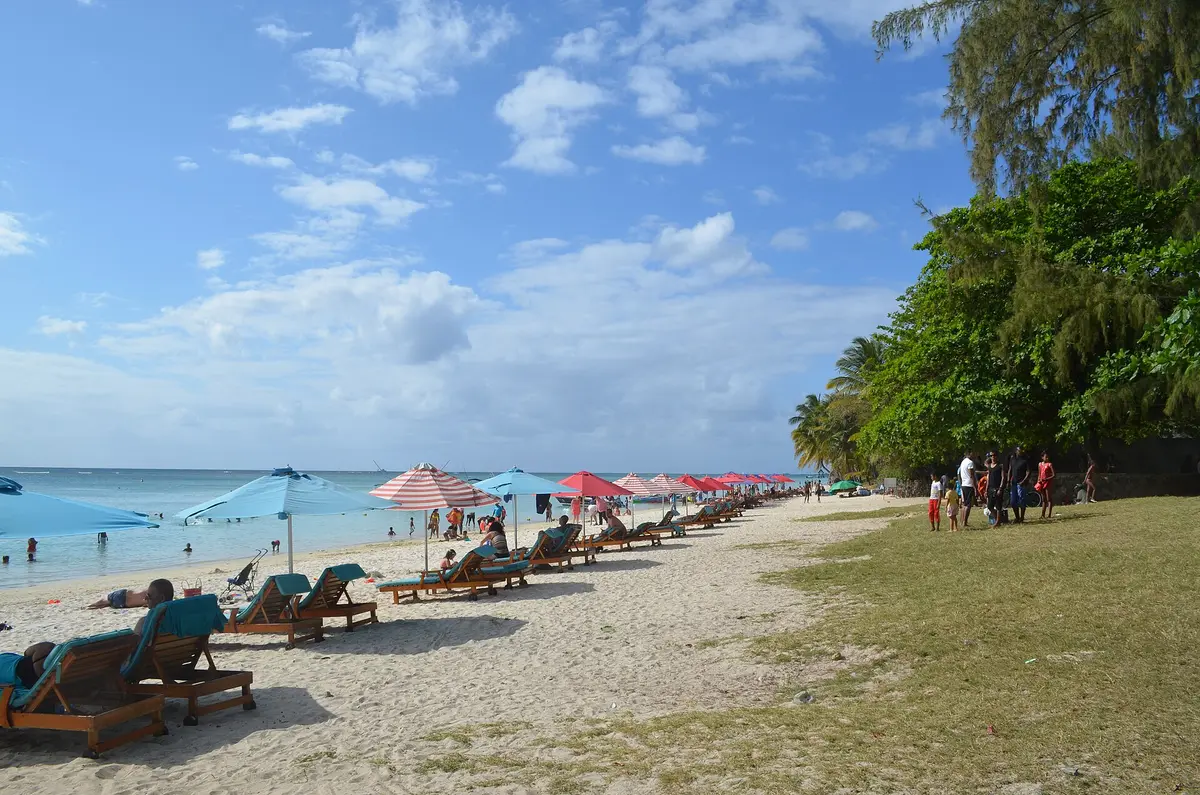
Don’t expect the public beach in the village centre to be the main swim. The Mauritius.com guide calls it a launch point for glass-bottom-boat rides, tube rides, parasailing and catamaran cruises, which is a fair description of what the sand is used for. For a swim away from the boat traffic, Mauritius.com points to Pereybère, about five minutes by car, with shallow, calm water, and to the snorkel-friendly lagoon at Trou aux Biches, a few minutes south-west.
From the airport
The airport is in the far south-east and Grand Baie in the far north, so expect a long transfer: 73 km by road. The official airport taxi list allows 1 hour to 1 hour 30 minutes for the north, and the Mauritius.com guide says 70 to 90 minutes, so plan on the longer end.
Taxi. The fare comes from the airport’s official list, effective from January 2026: Rs 3,500 one way for Grand Baie, Pereybère and Pointe aux Canonniers hotels, normal luggage included (oversized items may cost extra). The list allows a night supplement of 10-20% from 23:00 to 05:00 and adjusted rates on public holidays, at rush hours or for extra stops, and a card payment adds 10%, so land with rupees if you can.
Bus. Possible, and slow. Line 198 calls at the airport car park every 15 minutes on its run between Mahébourg and Port Louis (Victoria Square); the airport’s page gives about 85 minutes for that whole line, and the north is a second bus from the capital. Worth it with one bag and a free evening; with heavy luggage or a deadline, take the taxi. The other airport lines and the Metro are in the island transport guide.
Hire car. A car turns the transfer into the start of the trip, and the seven-day route begins with exactly this leg, with a stop at Pamplemousses on the way. Before you book one, the car hire guide shows what you’d owe if it came back with a dent.
Which bay to sleep in
The official taxi list prices the north by area, so it’s also a map of where the resorts sit.
| Area | One-way taxi fare from the airport* | Notes |
|---|---|---|
| Grand Baie, Pereybère, Pointe aux Canonniers | Rs 3,500 | Village centre; Pereybère is about five minutes by car, calm shallow water |
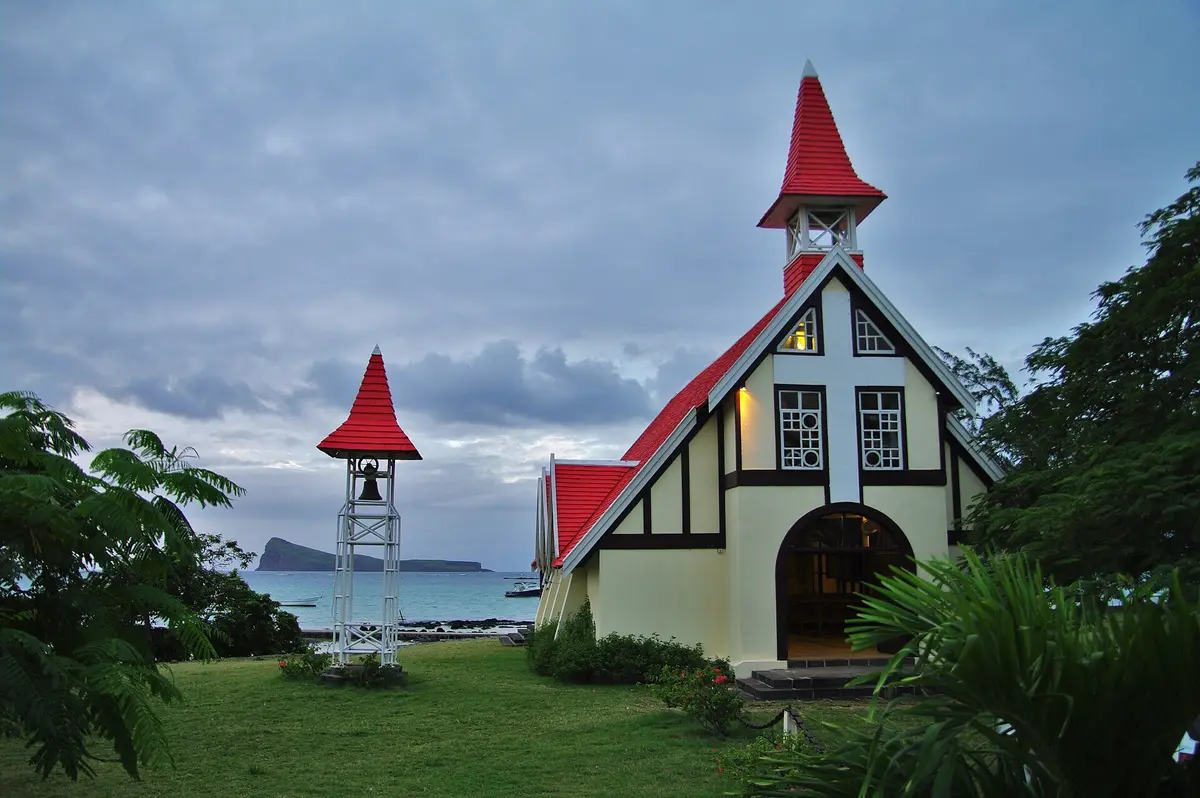
| Cap Malheureux, Coin de Mire hotels | Rs 3,500 | Far north, closest to the islets |
| Trou aux Biches, Mont Choisy, Pointe aux Piments | Rs 3,300 | Quieter, long beaches, easy bus links |
| Balaclava | Rs 3,200 | Resort coast on the north-west side |
| Baie du Tombeau | Rs 2,700 | Closest of the group to Port Louis |
*Official airport taxi fare list, effective from January 2026, read on 16 November 2026. The list groups hotels by name; check which line yours is on.
Pick by the evening you want. Central Grand Baie and La Cuvette put the marina and the bars on foot; Pereybère is calmer and suits families; Mont Choisy and Trou aux Biches trade the nightlife for long beaches, Mont Choisy with its casuarinas and Trou aux Biches with a lagoon good for snorkelling.
The boats to the northern islets
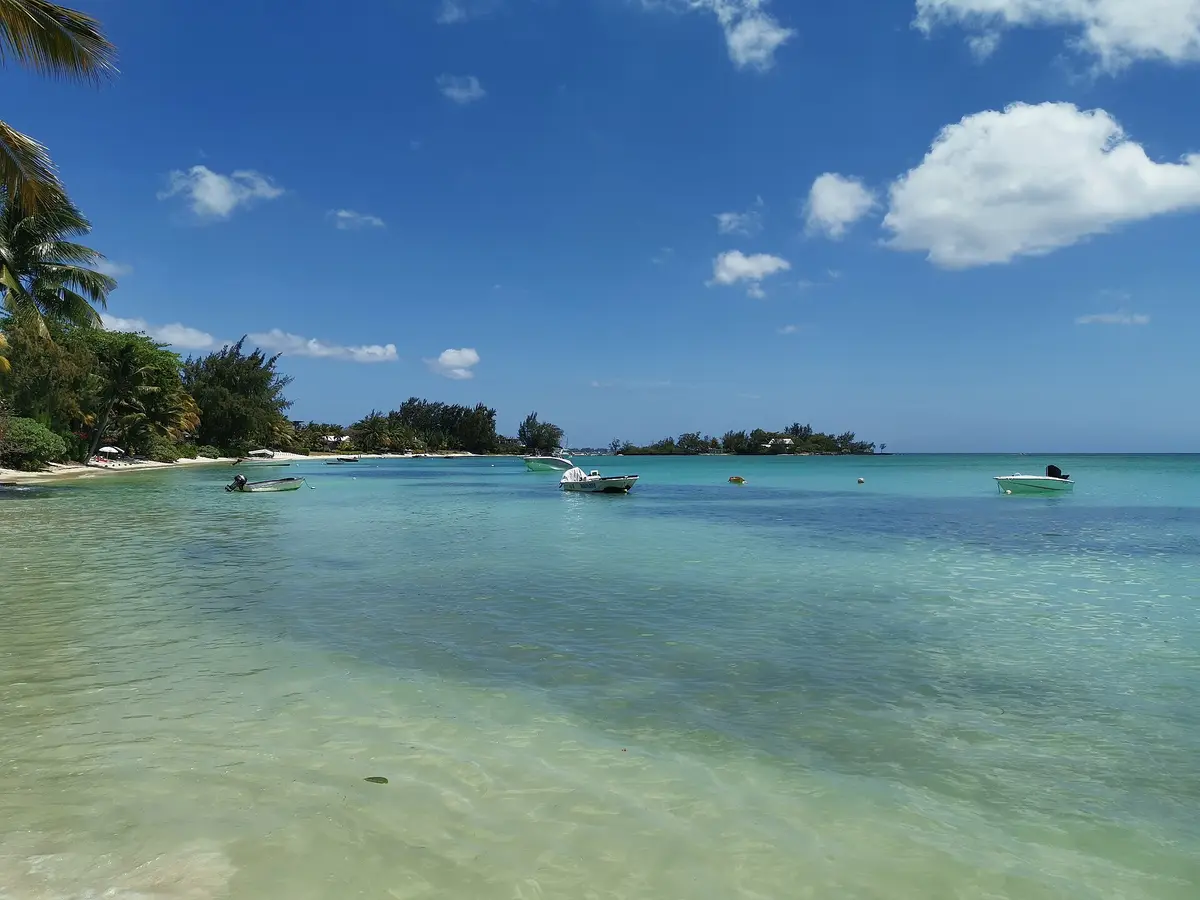
Most visitors come for the day boats. Mauritius.com says catamarans and speedboats leave from Grand Baie or Cap Malheureux, and that trips often combine Île Plate (Flat Island) with Coin de Mire and Îlot Gabriel, many with a beach barbecue.
Know what you’re buying. Coin de Mire is a protected reserve where, according to the Mauritius.com islets page, landing is not allowed: boats circle it. Îlot Gabriel is the snorkelling stop, with calm water and coral. Whether you land on Île Plate and what lunch costs depends on the operator, which is why the sensible comparison is by inclusions, not headline price. So pick the boat by its stops: Îlot Gabriel if you want to snorkel, a landing on Île Plate if you want time ashore, and only then by price.
Before booking, ask four things: whether the operator holds a permit from the Ministry of Tourism (UK travel advice tells visitors to check), how many people the boat takes, whether snorkelling gear and lunch are included, and what happens if the sea is rough. Prices vary by operator and season, so none is printed here: the operator’s own page, with its date, is the number to trust. For the water itself, including how to behave around dolphins, see the snorkelling, diving and dolphins guide.
Closer to shore, the Mauritius.com guide lists kayaking, paddleboarding, wakeboarding and parasailing in the lagoon, and advises choosing licensed operators. Scuba centres run reef and wreck dives, with visibility the site puts at often over 20 m, and deep-sea charters go for marlin, tuna, dorado and wahoo. If you sleep at Trou aux Biches, the village has a dive centre, Bigorno, with a first dive at Rs 4,800 per person, gear and 15% VAT included, on its 2026 tariff (card payments add 3%; read on 16 November 2026). Keep one day flexible: the islet boats and the dive boats both depend on the sea, so a rough day is better spent at Pamplemousses or in Port Louis.
Shopping and the evening
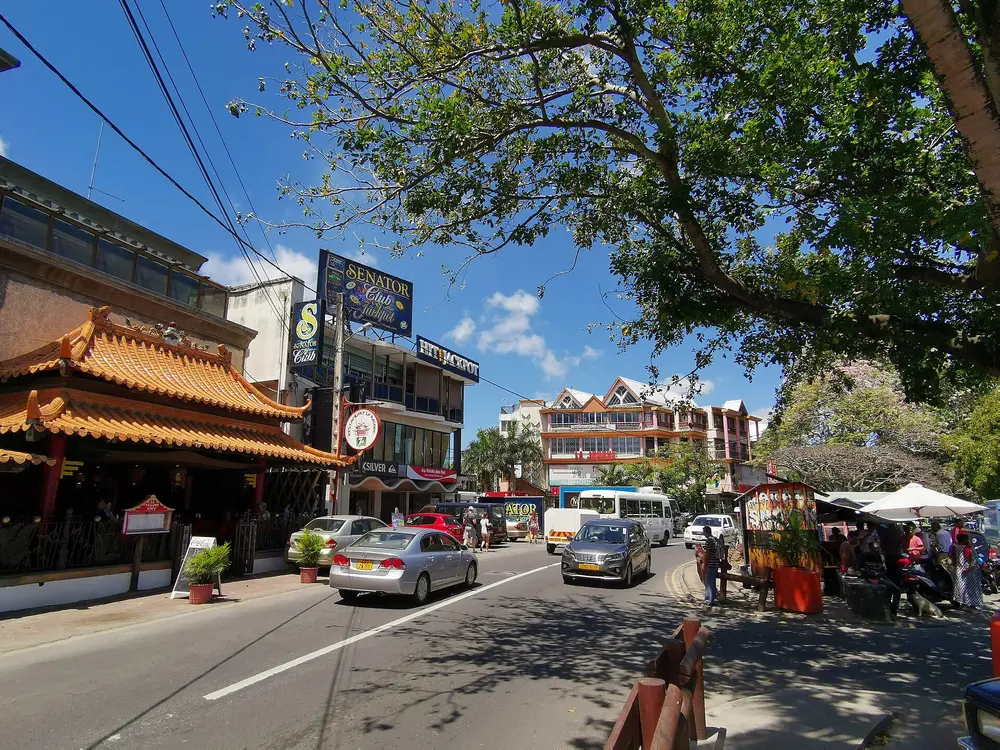
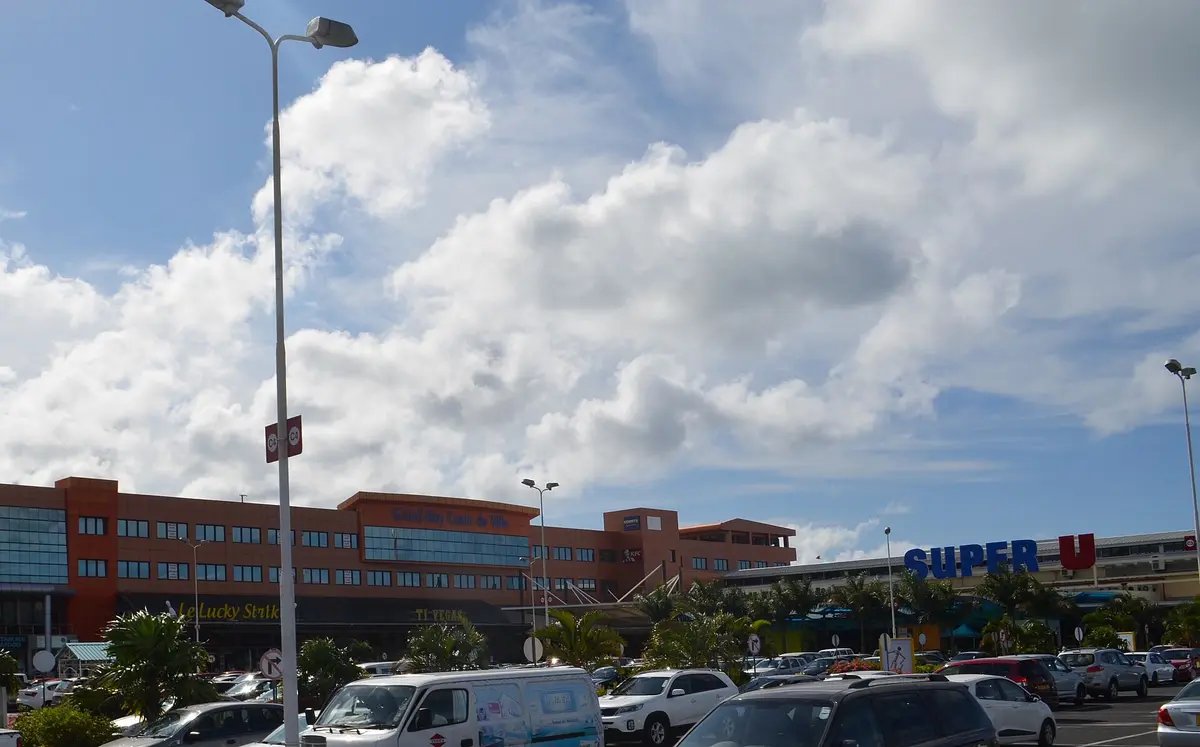
Grand Baie’s evening scene is why many people choose it, and you’ll find it’s easy to reach on foot. Mauritius.com names two shopping stops: Sunset Boulevard for resort wear and crafts, and the Grand-Baie La Croisette mall for fashion, homeware, cinemas and places to eat. Markets in the area sell vanilla tea, local jams, spices, rum and woven baskets, and the site says stall holders may bargain a little. For the dishes on the menus, from dholl puri to vindaye, see the Mauritian food guide.
Day trips by road
Port Louis is 28 km away, about 45 minutes in the Mauritius.com estimate, and Pamplemousses Botanical Garden is about 20 minutes from the village. Both are easy days from here, and both are stops in the seven-day route. The west coast is 49 km away, so count it as a transfer day.
Season and safety
In the north, the months to plan around are January to March, when the Mauritius.com Grand Baie guide says cyclone risk peaks, inside an official cyclone window of 1 November to 15 May; what a warning class means on the day is in the before-you-go guide. The site’s weather page gives June to September as the cooler, drier months and November to April as hot and humid. If you’re choosing the north for weather, the site describes it as more sheltered than the south in many periods.
Grand Baie is one of the tourist areas UK travel advice names for petty crime, alongside Port Louis and Flic en Flac, and it says most crime is non-violent, such as burglaries from tourist villas or theft of unattended bags. For a nightlife base, the useful line is its advice against walking alone at night on beaches or in poorly lit areas: after a late dinner, go back by the lit road or by taxi, not along the sand. The page also carries a dated entry on the unrest of October 2026, which began with a police shooting on the 9th: evening curfews ran from 12 to 18 October and were lifted at 4:30am on the 19th. The entry was still there on 16 November 2026, so read the page again before you fly.
Before you land
- Choose the bay before the hotel: the fare table above shows how the fare steps down along the coast, and the evenings differ by bay.
- Book the islet trip with an operator who can show you a Ministry of Tourism permit.
- If a dive is in the plan, read the travel insurance guide first: scuba sits outside some base policies.
Getting there
- SSR International Airport (MRU) ≈73 km · 57 min without traffic; the airport taxi list allows 1 h to 1 h 30 min
- Port Louis ≈28 km · 24 min without traffic; about 45 min by Mauritius.com
- Flic en Flac ≈49 km · 49 min without traffic
Read also

Towns · 9 min read
Port Louis, Mauritius: Markets, Museums and a City Day
Updated · 17 November 2026Port Louis in a day: Aapravasi Ghat (free, Saturdays to noon), the Blue Penny stamps (Rs 325), the Central Market, Chinatown, and when to stay overnight.

Before you go · 8 min read
Before You Go to Mauritius: Entry, Cyclones, Rupees
Verified · 17 November 2026UK, Canadian and EU visitors need no visa. Passport, travel form, cyclone season to 15 May, rupee rates and customs limit, checked 17 Nov 2026.

Things to do · 8 min read
Best Beaches in Mauritius: Which Coast for Which Beach Day
Verified · 17 November 2026Eight beaches compared by official sea frontage and airport taxi fare, and which coast to pick when the June to September trade winds blow.

What to see · 7 min read
Black River Gorges: Which Walk, and Where It Ends
Verified · 17 November 2026Black River Gorges walks: the 14 km Machabée loop back to Pétrin, the strenuous 10 km trail to Lower Gorges and the easy 6 km Savanne return.